As a trained spiritual guide and companion, my primary focus is to walk alongside individuals, much like hiking through the beautiful, untamed forest of their inner world. I have accompanied people who are naturally drawn to spiritual conversations and experiences—those seeking deeper meaning and purpose, often wondering if there is more to life than what they’ve encountered so far. In the aftermath of the collective trauma of COVID-19, many feel disconnected, discontent, or as if something essential is missing from their lives.
My approach is rooted in non-dualistic spirituality, which transcends divisions between matter and spirit, dark and light, right and wrong, or good and evil. It embraces an all-encompassing perspective where everything—whether a painful feeling, a bodily sensation, or a disturbing emotion—belongs. Each experience holds hidden meaning and transformative power, waiting to be uncovered and integrated. In time, its purpose becomes clear, revealing its significance in the journey ahead.
Spiritual Companioning is not psychotherapy, though practitioners often acknowledge the complementary relationship between the two disciplines, seeing them as supportive “sisters” in helping individuals. While I am not a clinical psychotherapist, my experience in inner work has taught me to recognize when it’s necessary to refer those I work with to seek professional therapeutic services for healing, treatment, or restoration. My education and training include trauma-informed practices and awareness, which guide my approach to supporting others.
Similarly, Spiritual Companioning is not life coaching, though we share similar goals and objectives. The difference lies in our distinct approaches and methodologies.
Over the years, many seekers I have journeyed with often ask one or more of the following questions:
- What am I doing here on this planet? I feel lost and disconnected from my life’s purpose and meaning.
- Where do I go from here now that I’ve embraced myself as an 2SLGBTQAI+ person, but my religious organization rejects my gender or sexual orientation?
- How can I heal, integrate, and process the pain of my memories and experiences from relational wounds or childhood trauma?
- How can I truly know God? Is there even a God out there?
- I’ve suffered from Bible abuse and been deeply hurt by the church—what do I do now? I still believe in God, but I feel broken.
- Can I walk this spiritual journey alone, or do I need a community to guide and support me?
- I struggle with sex and drug addiction—how can I find my way to recovery while nurturing a healthy spirituality that sustains me?
- Am I being called to a deeper relationship with the Divine or to a spiritual commitment? If so, how do I know for sure?
- Where can I find the Wisdom I’ve been longing for?
- I feel empty inside, as though I’m missing something important in life. Can spirituality help me fill this void?
- Is it just me, or does it feel like everyone around me is going crazy? I’m an atheist, but I’m struggling with depression and anxiety.
- Where can I find peace and hope? I’ve lost my faith, and religion no longer brings me any comfort.
- I’ve been hurt by people in the church, and I don’t believe in God anymore—what do I do now?
- I was raised Christian, but I find myself drawn to Buddhism or Hinduism.
- How can I find the right meditation path that feels aligned with who I am?
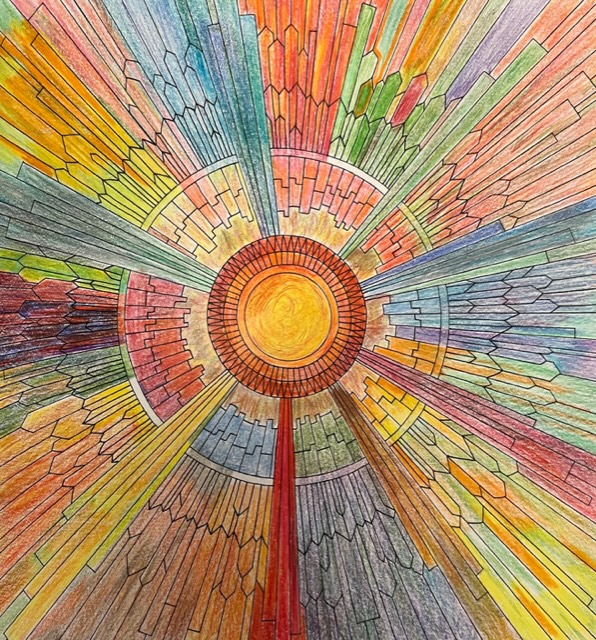
Spiritual companions do not provide direct answers to these questions. Instead, they offer deep and attentive listening, creating a safe and confidential space where seekers can freely explore their inner landscapes. In this protected environment, spiritual companions engage with seekers in one of the most profound and transformative gifts we can offer one another as human beings: the gift of presence.
Through empathic and deep listening, seekers feel safe to embark on or continue their journey of self-discovery. In this sacred space, wounds, inquiries, vulnerabilities, synchronicities, and authenticities come together in a delicate, transformative dance. By remaining present and attuned to the inner processes where currents of aliveness emerge and subtly guide the way—without offering certainties or assurances—seekers often uncover their own path forward.
In this journey, people begin to realize their destiny, experience healing, and discover what it truly means to be human. Within this space of care and attentive listening, seekers feel empowered to make their own decisions and embrace their authentic selves.
Exploration is another essential aspect of spiritual companioning. It invites individuals to walk courageously into the unknown—often challenging yet transformative places of fulfillment and rebirth. In these spaces, insights may arise spontaneously, realizations take root, and deeper inner convictions are formed. Seekers are encouraged to share their ideas, experiences, and longings, all while feeling deeply listened to and genuinely connected.
In spiritual companioning, answers to profound questions or direct advice are not provided. Instead, ample space is created for silence—a spacious, intentional stillness that fosters heightened awareness and self-understanding. Over time, seekers grow more comfortable with silence, discovering it as a doorway to deeper insight and connection with themselves. Spiritual practices may be suggested, but only when specifically requested by the seeker.
 Pilgrimage to Nowhere